01
More tools. More fragmentation.
Who uses which model, and what can each application access?
Separate departmental integrations scatter model settings, accounts and usage data, leaving the business without a shared view.
Start with repetitive knowledge work. Give your team more time for judgment and creativity, then bring proven ways of working to more people.
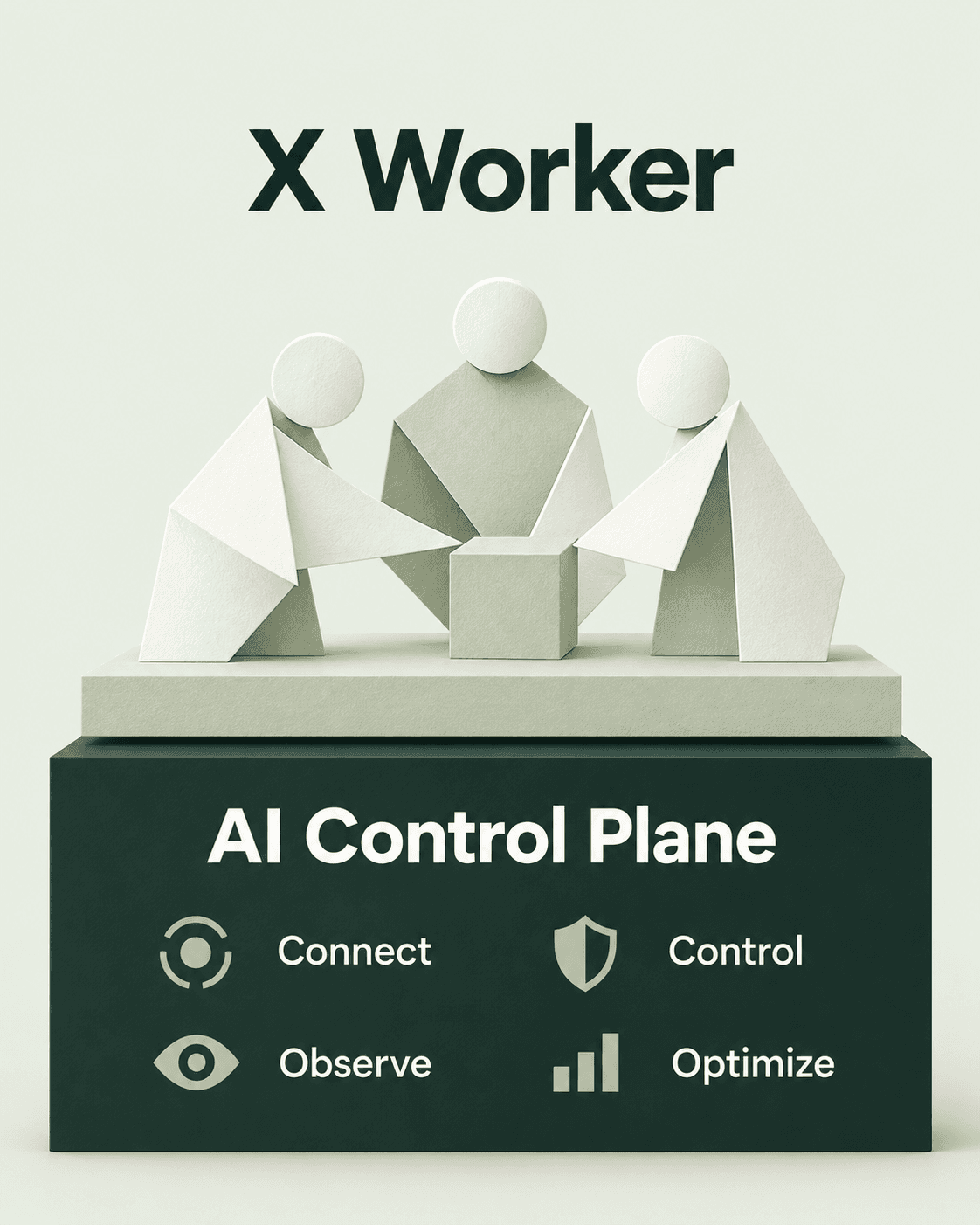
More departments. More models. More agents.
Connection, collaboration and governance must work together.
Who uses which model, and what can each application access?
Separate departmental integrations scatter model settings, accounts and usage data, leaving the business without a shared view.
How can more teams benefit from experienced employees' judgment?
Knowledge, processes and experience sit with individuals, making it difficult for digital workers to follow company rules and contribute consistently.
What data may leave, and which actions need approval?
When agents read documents, call tools and act in business systems, permissions and traceability become essential.
What did AI cost, and how much useful work did it complete?
Call counts alone do not explain business value. Connect quality, human involvement and cost per successful task.
Build reusable capabilities from the way your company already works. Start with a clearly defined task, without redesigning every process at once.
Explore X Worker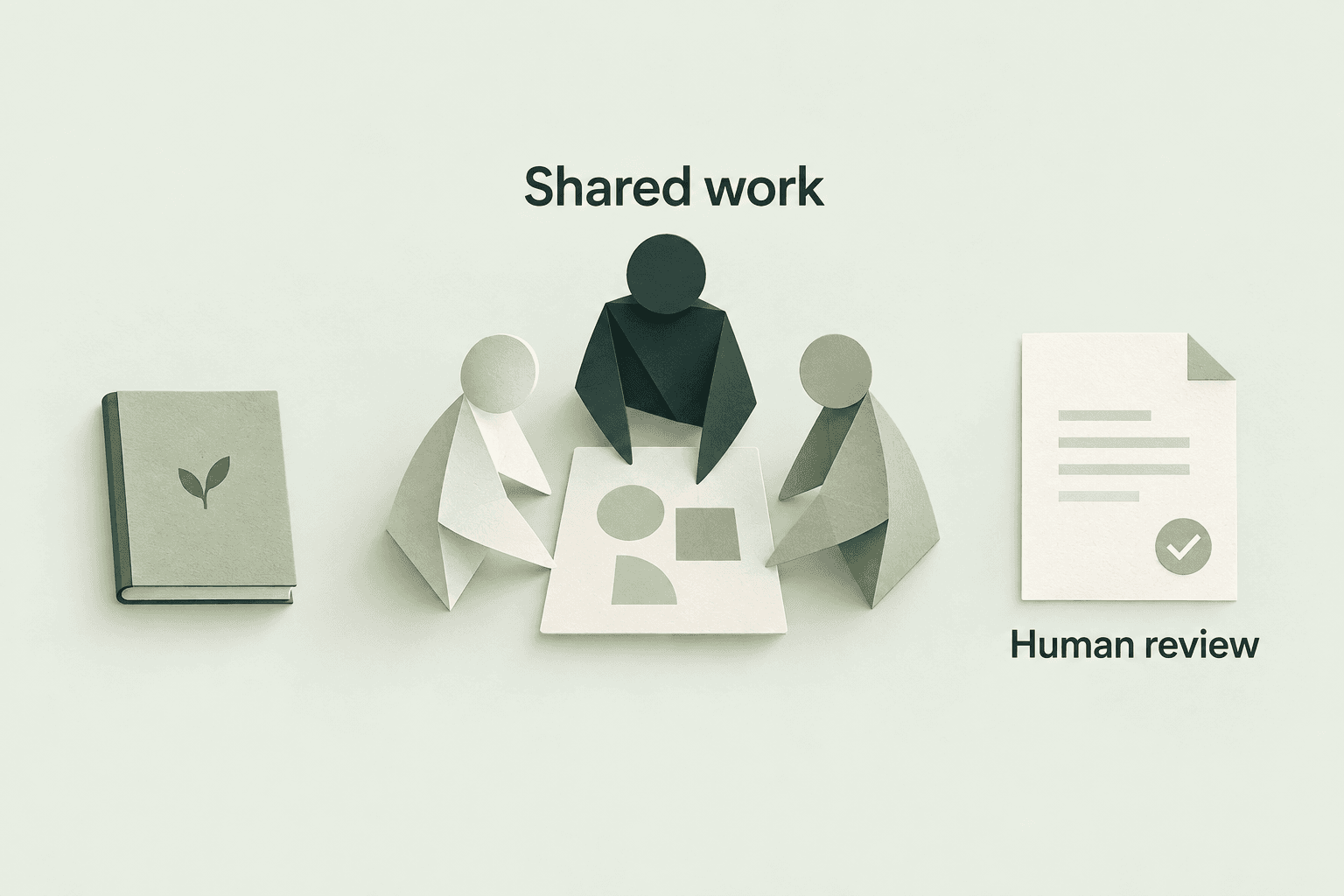
Keep your approval policies and business systems. First agree on data scope, access permissions and exception handling.
Set acceptance criteria using real tasks. Examine human edits and rework, then refine knowledge and execution methods.
Organize knowledge, roles and workflows around a clear deliverable.
Then bring proven methods to more teams.
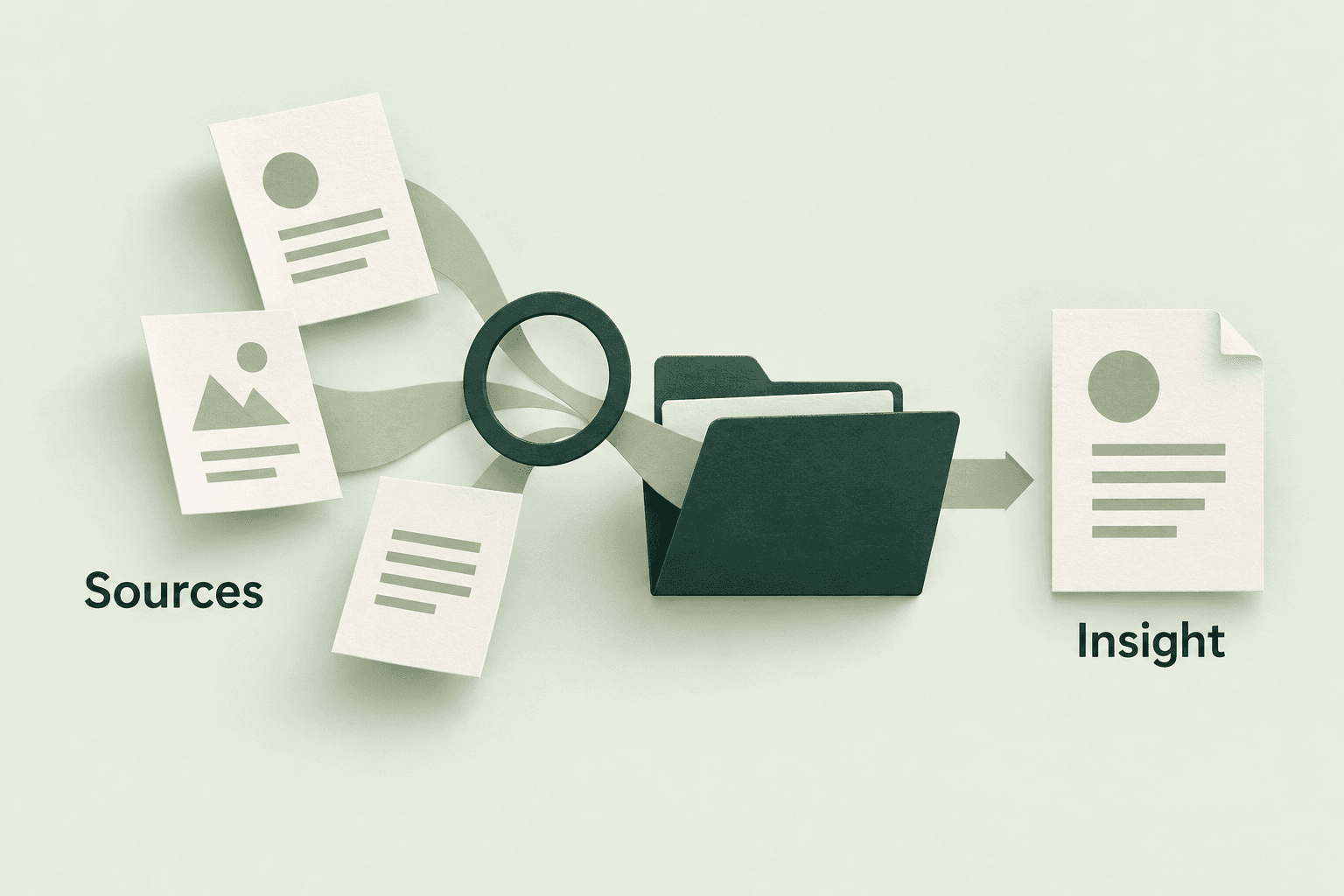
Bring model access, permissions, runtime policies and feedback into one governance framework, serving X Worker and your existing applications.
Connect your chosen model APIs, knowledge and business tools so X Worker and existing applications can share AI capabilities.
Manage identity, model access and budgets. Enforce permissions and approvals before data leaves or tools act, so AI follows your rules.
Link applications, tasks and calls. Track usage, cost, latency and exceptions to see where resources go and how work progresses.
Match models to task difficulty. Use quality and outcome evaluations to improve routing and workflows while meeting quality requirements.
Start with unified model access. Add capabilities around your tasks, data and governance requirements.
How do you bring enterprise model APIs under one roof?
Bring public-cloud and private models together. Manage catalogs, organizational access and application identities, with usage and budgets attributed to internal work.
Explore API PlatformWhich model fits each task?
Route by task difficulty, quality, latency, budget and allowed resources. Use bounded fallback, circuit breaking and load distribution to support continuity.
Explore Route EngineWhat can AI access, and what can it do?
Check sensitive context before sending and tool permissions before execution. Link policy decisions with actions for traceability.
Explore Route FenceDo your model resources keep meeting requirements?
Monitor availability, responsiveness and task capability. Detect version changes and anomalies, with evidence for admission, retesting and routing decisions.
Explore Route TrustWhat results did your resources produce?
Link task success, quality, time and cost. Analyze repeated calls, retries and workflow issues to inform model and process improvements.
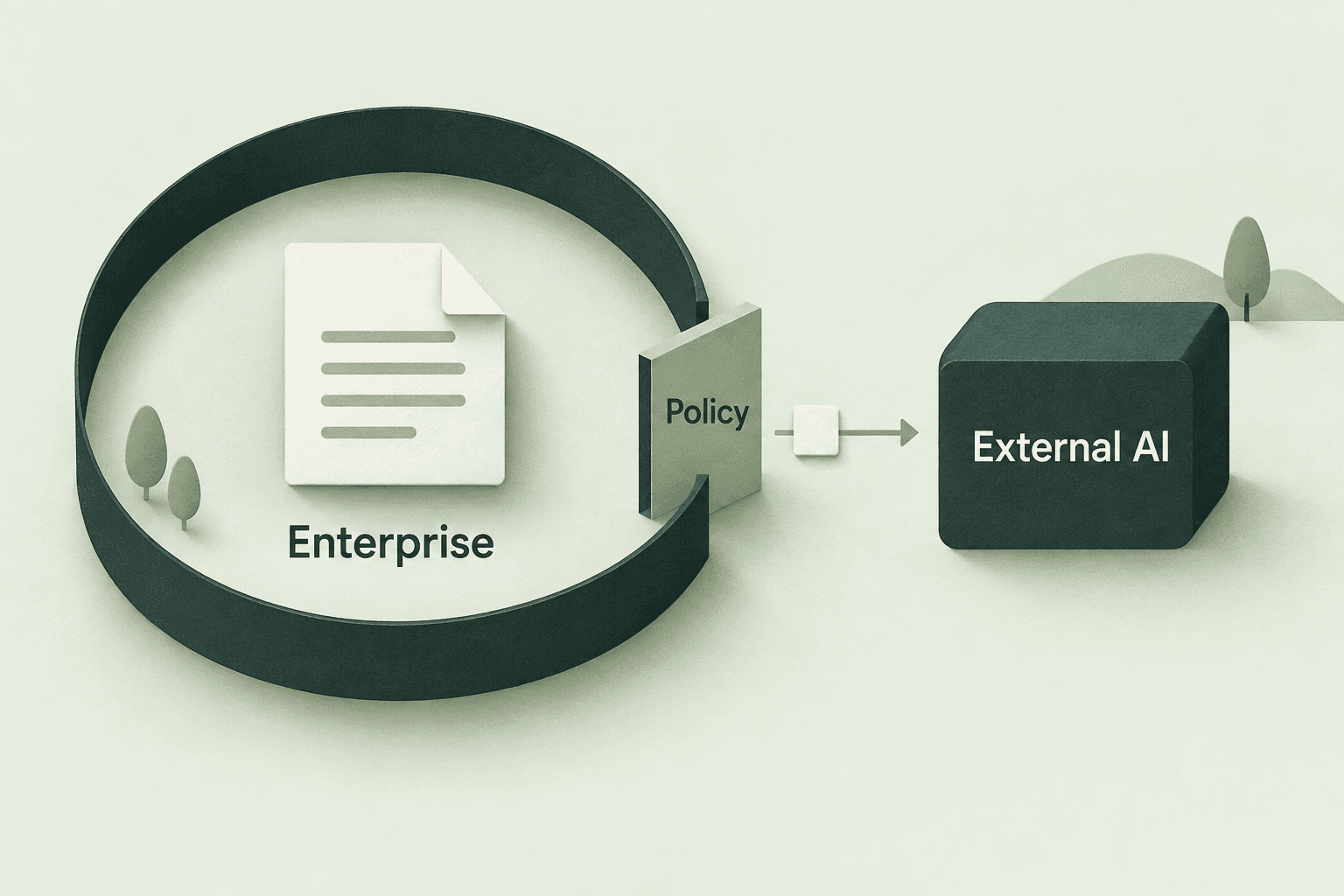
Explore Agent EvalPlan around your environment: what stays inside, what may reach external models and which actions require approval.
Identify sensitive context on the enterprise side, then block, redact or allow it under policy.
Set allowed models and routes by department, application and task.
Integrated execution endpoints check tools and parameters; high-risk actions require approval.
Link people, agents, models and policy records, with retention configured to your requirements.
Host knowledge, configuration and runtime services in your environment as agreed.
Approved content still leaves your environment when you call external models.
Process sensitive material on the enterprise side and select private or public-cloud models by policy.
Agree on credential, log and management-service locations.
Manage organizational access, model connections and tasks in the agreed environment.
Define processing scope, operational access and content retention.
Define tasks, knowledge and workflows together. Let validation guide launch scope, then expand through training and ongoing operations.
Map job tasks and choose priority scenarios.
Capture skills and workflows in a testable solution.
Connect identity, models, knowledge and business tools.
Define how people and digital workers work together.
Refresh knowledge and skills, improve and expand scenarios.
Start with real business problems and build enterprise AI through a process you can review.
Break tasks into inputs, roles, workflows and deliverables, with success criteria agreed together.
Bring access, permissions, routing and exceptions under governance, with policies matched to business quality requirements.
Examine both resource quality and task outcomes, so every change has evidence and a retest.
Bring your task, current environment and desired outcome. We will define the first step together.