Model capability
Oversized models for simple tasks may add unnecessary consumption.
See where resources are spent and whether tasks meet business needs before changing models or workflows.
Link consumption to departments, applications and tasks.
Compare options using consistent tasks and quality standards.
Retest changes and observe quality, time and cost.
Long context, repeated calls, failed retries and manual rework can all increase the cost of successful delivery.
Oversized models for simple tasks may add unnecessary consumption.
Repeatedly carrying irrelevant data can increase input and processing overhead.
Tool errors, unproductive loops and duplicate retrieval increase task overhead.
Low-quality output may add review and correction time, which needs to be accounted for.
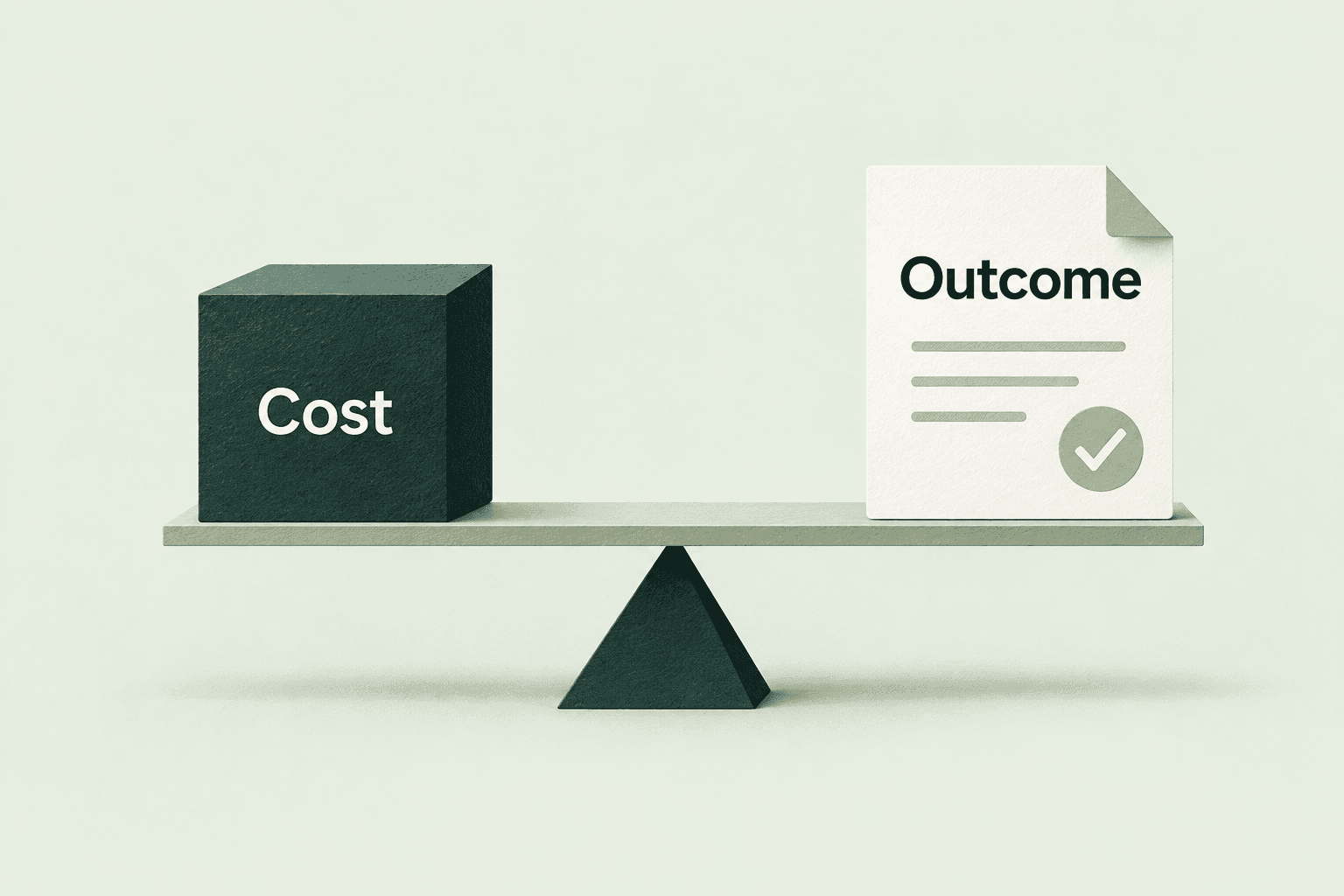
Design improvements around observable issues, keeping a comparison and rollback basis for every change.
Use suitable lightweight models for extraction and classification, and capable models for complex reasoning, within permitted resources.
Remove repeated and irrelevant content, checking that compression preserves necessary information.
Bound unproductive loops and fix tool errors and exception paths.
Place human checks where value and risk justify them, reducing avoidable rework.
Use separate modules to understand inputs, assess results and apply reviewed optimization policies.
Consolidate enterprise model usage, identities and budgets.
Evaluate task quality, success rates and workflow issues.
Choose models by difficulty, quality and budget.
Provide resource-test evidence and quality thresholds.
Define success, quality and cost scope first, then compare results before and after changes.
Quality, success rate, duration, human involvement, failures and retry consumption.
Total task-set cost divided by successful tasks, including failed attempts. Report labor separately when consistently estimated.
Do not calculate cost per success when there are no successes; do not directly compare unmatched samples.
Bring target tasks, available runtime records and quality standards so we can define the assessment scope.