Validation preparation
Define samples, success criteria, exception tasks and data permissions.
Our implementation team works with business tasks to clarify rules, build digital workers, validate outcomes and integrate enterprise systems.
Enterprise experts define goals, samples and success criteria.
Configure the platform, connect data and integrate permissions.
Expand effective use through training, reviews and knowledge updates.
Hands-on implementation focused on a specific business context; engagement and on-site arrangements are agreed per project.
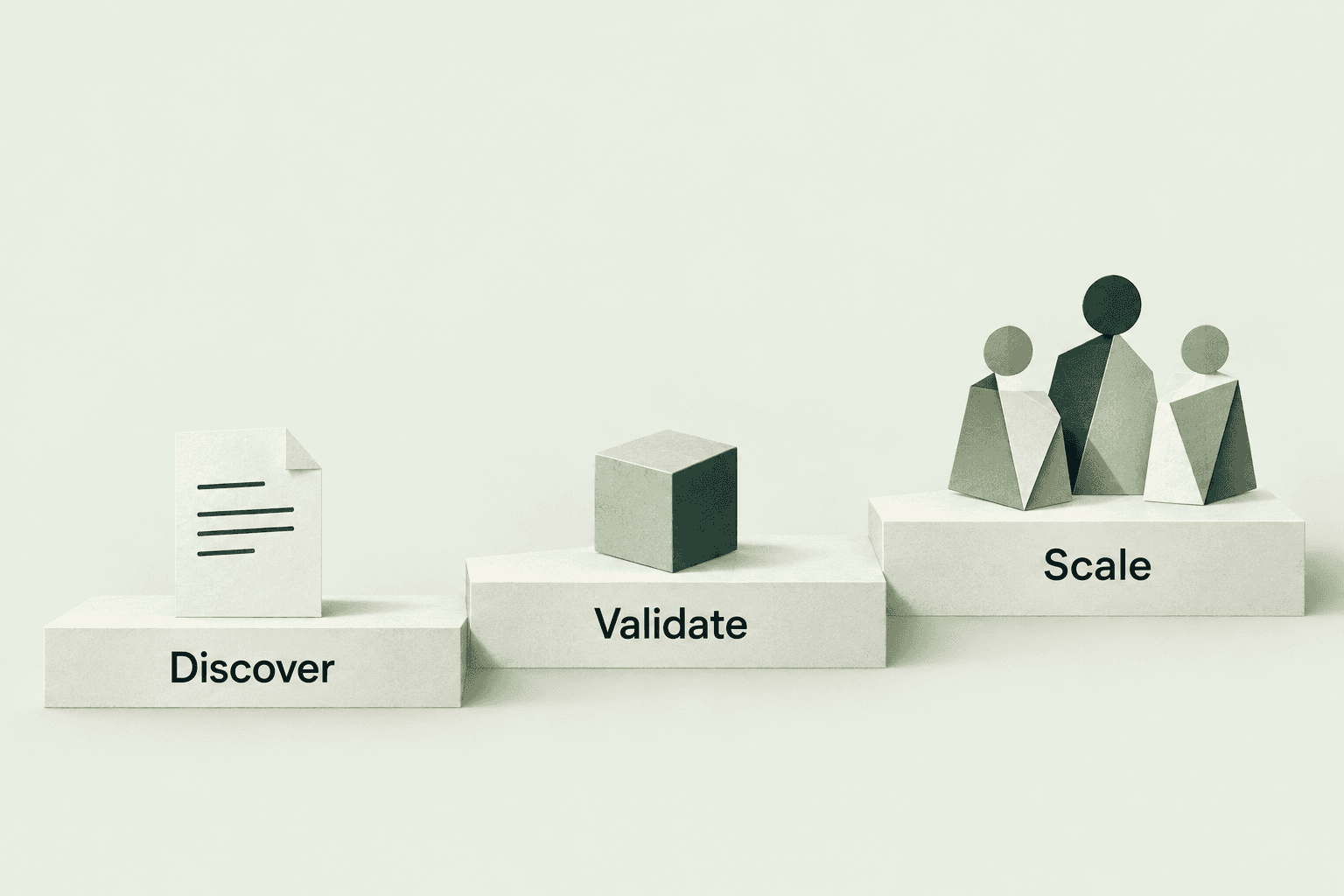
Work with experts to capture decision criteria, knowledge sources and exceptions, shaping digital-worker roles and workflows.
Capture good practices, decision evidence, common errors and corrective methods.
Define steps, inputs, outputs, branches and human handoffs.
Confirm document versions, access and content ownership.
Role definitions, skill descriptions, workflow sketches and a knowledge checklist.
Use real or anonymized samples to assess digital workers against clear quality, efficiency and cost definitions.
Define samples, success criteria, exception tasks and data permissions.
Keep results, failure reasons, human edits and resource consumption.
State applicability, unresolved issues and rollout conditions.
A PoC prototype, test records, validation report and next-step recommendations.
Configure identity, models, knowledge and tools, with clear ownership of releases, maintenance and incidents.
Enterprise identity, model services, repositories and approved business tools.
Access rights, execution approvals, credentials and logs.
Validate business paths, rollback and owners, then plan release scope.
Deployment guidance, integration configuration, access lists and launch records.
Help users collaborate effectively and administrators maintain knowledge and access, with regular reviews for improvement.
How to start tasks, check results, report issues and handle exceptions.
How to manage knowledge versions, roles, models and permissions.
Observe quality, consumption, human involvement and unresolved issues.
User and admin guides, issue lists, improvement plans and scenario recommendations.
Business, IT and security teams review deliverables at milestones and agree on the next stage.
Define goals, provide samples and agree on outcome criteria.
Prepare environments, interfaces and operational requirements.
Confirm data boundaries, permissions and logging requirements.
Update milestones and deliverables when scenarios, interfaces or service scope change.